
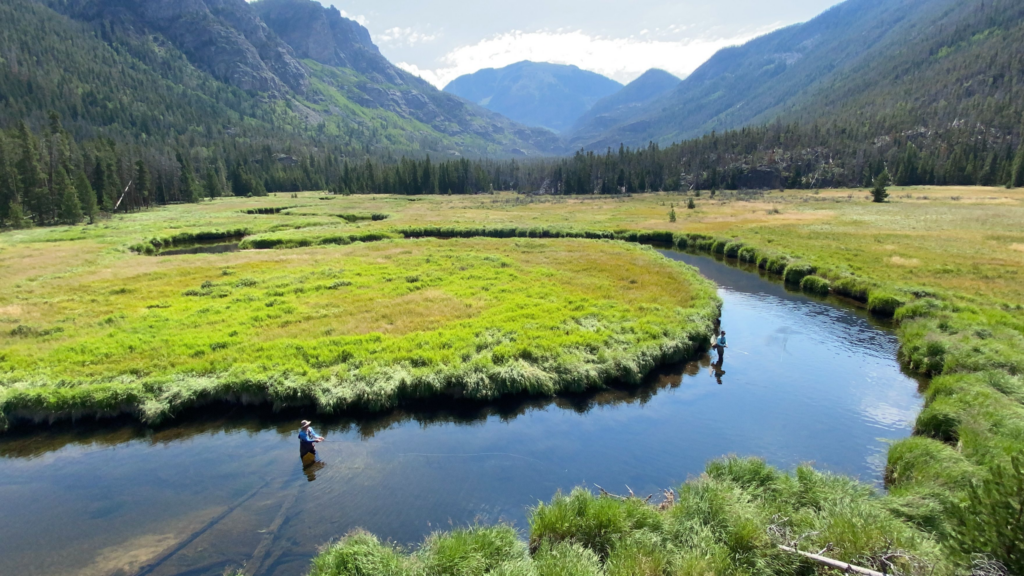
There’s a particular kind of quiet that settles over you when you’re standing waist-deep in a clear mountain river inside a national park, watching a cutthroat trout rise to a dry fly 40 feet upstream. No boat traffic, no jet skis, no crowded bank. Just moving water, clean air, and the real possibility of the catch you’ve been planning all winter. National parks aren’t only about scenic overlooks and hiking trails — for freshwater anglers, they represent some of the most untouched and productive fishing territory in North America.
Fishing inside a national park comes with its own rhythms and rules that differ considerably from your average reservoir or stocked river. Protected waters mean stricter regulations, motor restrictions, and a strong emphasis on conservation — but they also mean cleaner water, lighter angling pressure, and fish that haven’t been pounded every weekend since opening day. If you’ve never built a fishing trip around a national park destination, this guide will show you exactly where to go, what species to target, and how to set up your gear for waters that reward a thoughtful approach.
Yellowstone National Park, Wyoming
Yellowstone is the gold standard of national park fishing and, for many anglers, the bucket-list destination that everything else gets measured against. The park holds over 2,650 miles of rivers and streams alongside roughly 150 lakes spread across more than two million acres of high-elevation backcountry. It’s one of the few places in the lower 48 where wild, native cutthroat trout still thrive in their original habitat — largely because Yellowstone banned live bait and enforced strict catch-and-release policies on key waters long before those practices became mainstream.
Yellowstone Lake and the Firehole River
Yellowstone Lake is a world-class fishery sitting at 7,732 feet above sea level and covering 136 square miles. The native Yellowstone cutthroat trout cruise the lake’s volcanic flats and shallow arms in a way that makes genuine sight-fishing possible from a small boat — one of the most visually exciting fishing experiences available anywhere in the West. Access to the lake’s remote sections requires a motorized watercraft permit, and the National Park Service issues only a limited number of those each season. Plan accordingly and apply early.
The Firehole River offers something entirely different. Fed by geothermal springs that keep it flowing and fishable year-round, the Firehole holds brown trout and rainbow trout in water warmed by Yellowstone’s volcanic plumbing. It fishes best in spring before summer heat makes the water too warm, and again in September and October when temperatures drop. Casting a dry fly on the Firehole with geysers steaming in the background is the kind of experience that’s genuinely hard to describe to people who haven’t seen it.
Anglers 16 and older must carry a valid Yellowstone National Park fishing permit — state licenses are not accepted or required within park boundaries. Three-day, seven-day, and season-long permits are available through Recreation.gov, and all watercraft must pass an Aquatic Invasive Species inspection before launching in any park water.
Grand Teton National Park, Wyoming
Just south of Yellowstone and sitting in the shadow of one of the most dramatic mountain ranges in the country, Grand Teton National Park offers a fishing experience that’s different in character but equal in quality. Between the Snake River, Jackson Lake, and a handful of quieter alpine lakes set against the Teton peaks, there’s enough variety here to fill a full week on the water without doubling back. The park is also conveniently close to the town of Jackson Hole, which makes logistics easier than most wilderness fishing destinations.
The Snake River Below Jackson Lake Dam
The stretch of the Snake River immediately below Jackson Lake Dam is the most celebrated trout fishery in the park. The Snake River fine-spotted cutthroat — a subspecies found almost exclusively in this drainage — is the primary target, and it’s a fish worth traveling for. Wading anglers, drift boat operators, and kayakers all work this corridor throughout the season, but the river is long enough that the pressure spreads out. Only artificial flies and lures are permitted on the Snake River within park boundaries, and regulations around cutthroat slot limits are strictly enforced and taken seriously.
For a less crowded experience, the Gros Ventre River and Pacific Creek hold excellent brown trout and native cutthroat populations and see a fraction of the angling pressure that the Snake River corridor draws. These streams reward anglers who are willing to walk a little to find productive pools. The shoulder seasons — May, early June, September, and October — are the sweet spots here, offering fewer visitors and feeding fish getting ready for winter.
Jackson Lake: Big Water and Serious Opportunity
Jackson Lake is the largest body of water in the park and one of the few places in Grand Teton where motorized boats are permitted. Lake trout, cutthroat trout, and brown trout all live here in good numbers, and the lake’s size means there’s always structure worth exploring. Shore fishing access along the southern end near Signal Mountain is solid, and kayak rentals are available nearby for anglers who want to cover water without hauling a boat across the country. Jenny Lake, by contrast, restricts motors to 10 horsepower or under, so plan your setup accordingly if you’re splitting time between the two.
Glacier National Park, Montana
Glacier doesn’t always get the fishing attention it deserves, but anyone who has floated the Middle Fork of the Flathead River or hiked into a high-country lake loaded with cutthroat knows it belongs on any serious angler’s list. The park contains over 700 lakes and nearly 3,000 miles of rivers and streams, and because it sits in one of the most remote corners of the lower 48, many of its best waters see genuinely light pressure even during the busiest weeks of summer.
The Middle Fork of the Flathead River
The Middle Fork forms Glacier’s southwestern boundary and is widely considered one of the finest wild trout rivers in the Rocky Mountain West. It holds westslope cutthroat and bull trout, and its canyon sections — steep walls, old-growth forest, clear cold water — set a scene that’s hard to match anywhere. The river fishes well from a drift boat or inflatable kayak, and guided float trips out of West Glacier are a reliable option for anglers unfamiliar with the water. For wade anglers, road corridor access points along Highway 2 make it easy to pull off and work small pockets and riffles throughout the day without committing to a full float.
The backcountry lakes in the Logan Pass area are worth the hike for anyone willing to put in the miles. Small cutthroat and brook trout populate many of these high-elevation lakes, and because they don’t see artificial presentations very often, they tend to be fast and aggressive on the take. A simple 4-weight rod and a box of dry flies and small nymphs is all you need.
Great Smoky Mountains National Park, Tennessee and North Carolina
Great Smoky Mountains is the most visited national park in the country, which somehow makes its fishing even more overlooked. The park contains over 2,900 miles of streams — a number that still surprises most people — and a wild brook trout fishery in its high-elevation headwaters that stands as one of the most unique freshwater experiences east of the Mississippi. The Smokies also support rainbow trout, brown trout, and smallmouth bass in its lower-elevation waters, giving anglers a range of species and techniques to work with across the same park.
Abrams Creek and the Little Pigeon River
Abrams Creek is a legend among anglers who know the Smokies. It’s a warmer, larger stream that holds a mixed population of rainbow trout, brown trout, and smallmouth bass — a combination rarely found inside a national park. The creek runs through a rugged gorge with limited vehicle access, and that natural barrier keeps foot traffic low enough to make a real difference in fish behavior. Light spinning tackle and small spinners or in-line lures work well here, and the creek’s exceptional clarity rewards anglers who take time to read the water before moving into position.
The Little Pigeon River near the Gatlinburg entrance is a more accessible option that consistently produces rainbow and brown trout throughout the season. Fontana Lake on the park’s southern boundary offers bass fishing and some walleye — rare for this part of the Appalachians. Fishing licenses from either Tennessee or North Carolina are required depending on which side of the park boundary you’re on, and certain streams carry additional restrictions on lure type and method, so always check the current park regulations before heading out.
Rocky Mountain National Park, Colorado
Rocky Mountain National Park makes a compelling case for serious consideration. The park holds more than 150 lakes and a strong collection of streams and rivers supporting brook trout, rainbow trout, brown trout, and all four subspecies of cutthroat trout found in Colorado. The Colorado River itself originates inside the park, which gives headwater fishing enthusiasts a remarkable opportunity to cast in one of the West’s iconic drainages at its very source.
The Fall River, the Big Thompson River, and the Cache la Poudre corridor within the park are all productive for wade fishing throughout the season. The alpine backcountry lakes — accessible by trail — offer some of the most scenic angling in Colorado and often hold fish that are surprisingly willing because of limited pressure. Altitude compresses the season: late June through September is the reliable window, with the shoulder weeks on either end carrying both less pressure and hungry fish. A Colorado state fishing license is required, and many park waters are restricted to artificial lures and flies only.
Gear and Boat Setups for Protected Park Waters
Fishing inside a national park requires a different mindset about your gear and vessel than most anglers are used to. Motor restrictions, launch ramp limitations, shallow access areas, and conservation-focused regulations mean the setup that works well on an open public reservoir may not be the right choice for a remote arm of Yellowstone Lake or a shallow flat at Jackson Lake.
For lake fishing in parks, smaller vessels are almost always the practical choice. Jon boats, aluminum skiffs, and compact motor boats that can navigate restricted launch areas and shallow near-shore water without tearing up the bottom are the tools of the trade here. When fishing the shallower coves of park reservoirs, many anglers rely on jack plates to fine-tune their outboard motor height for better performance and prop clearance in low-depth water. This is especially useful when working the near-shore structure that often holds the most fish in clear, protected lake environments where prop damage to the substrate is a real concern.
For rivers, drift boats and inflatable kayaks are the most versatile options inside most parks. In waters with strict motor restrictions — Jenny Lake in Grand Teton limits outboards to 10 horsepower — a small electric motor or a quality set of oars will serve you far better than a large outboard you can’t legally run at full capacity. Always confirm the specific motor restrictions for every body of water on your itinerary before you hitch up the trailer. Calling the park visitor center directly is the most reliable way to get current, accurate information.
On the tackle side, lighter is almost always the right call in park fisheries. These fish typically see fewer anglers than their counterparts on public lakes and rivers, but the clear water that makes them so striking to look at also makes them quick to spook at heavy leaders and sloppy presentations. A good pair of polarized sunglasses is worth more on most park waters than half a tackle box of specialty lures.
● 4- to 6-weight fly rods or light spinning rods in the 5- to 7-foot range for stream and alpine lake fishing
● Fluorocarbon tippet or leader material — lighter for stream trout, heavier for lake trout trolling applications
● Barbless hooks or crimped barbs for all waters where catch-and-release is required or encouraged
● Polarized sunglasses rated for high-elevation UV exposure — essential for sight-fishing and long days on open water
Permits, Licenses, and the Rules That Matter
Every national park operates under its own fishing regulations, and they don’t always mirror state rules. Yellowstone is entirely self-contained — the park issues its own fishing permits and state licenses are neither accepted nor required. Grand Teton requires a valid Wyoming state fishing license. Great Smoky Mountains defers to whichever state’s side of the park you’re fishing on. The details matter here, and they change. Reading through the current regulations on the NPS website for each specific park before your trip isn’t just a good idea — it’s the difference between a clean day on the water and a conversation with a park ranger that ends badly.
● Confirm whether a park-specific fishing permit is required in addition to any state license
● Check motor size restrictions and AIS inspection requirements before launching any watercraft
● Review which waters are catch-and-release only and what bait types are permitted or prohibited
● Look up seasonal stream closures — many park waters are closed during critical spawning windows
Leave No Trace principles apply on the water just as much as they do on the trail. Pack out everything you bring in. Handle released fish with wet hands and keep them in the water as much as possible. Avoid wading through visible spawning beds. The fish populations in national parks survive because of thoughtful, consistent behavior from the anglers who use these waters — and those fish will be there for the next generation of anglers only if everyone plays their part.
Planning Your National Park Fishing Trip
The anglers who get the most out of national park fishing are the ones who build in extra time and avoid peak season where they can. Summer crowds push into mid-June through mid-August in most western parks, and the shoulder months — May, early June, September, and October — offer a noticeably different experience. Fewer people, more accessible campsites, and fish that are actively feeding ahead of seasonal transitions make the shoulder seasons worth the slightly cooler mornings and unpredictable afternoon weather.
If you’re targeting Yellowstone, Grand Teton, or Glacier, book your campsite or lodging reservation as early as the system allows. These parks fill up fast, and showing up without a reservation during summer means either driving a long way to a private campground or sleeping in your truck. Recreation.gov handles most national park reservations and opens booking windows months in advance for the most popular sites.
Bring your boat if you have one, but call the park first to confirm launch ramp availability, current permit requirements, and any watercraft restrictions on the specific lakes you plan to fish. Then get the permits sorted, rig your setup for the water depth and motor restrictions you’ll be working with, and get out there. National park fishing at its best is a reminder of what freshwater fishing was always supposed to feel like — wild, quiet, and worth every mile of the drive to get there.